College Park, MD · Prince George's County
Attic Water Removal in College Park, MDWet Attic Insulation Removal & Attic Moisture Inspection
Homeowners in College Park get Attic Water Removal for emergency attic water extraction, attic moisture inspection and attic drying services.
Answered 24/7
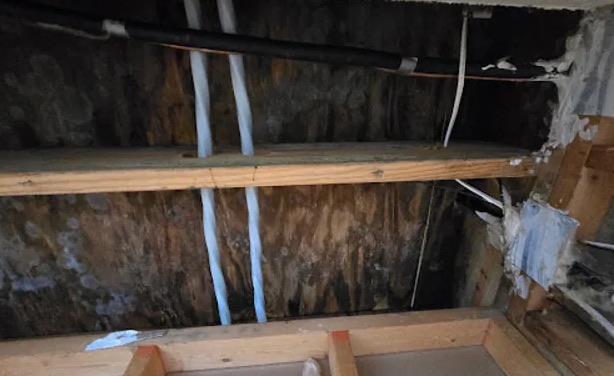
Professional Attic Water Removal in College Park, MD
Attic Water Removal in College Park is about protecting the ceiling. Water on top of drywall soaks in and adds weight, and wet insulation keeps it soaking long after the leak stops.
A heavy storm in College Park can push water into an attic overnight. Local attic water removal pros serve College Park and nearby Hyattsville, Adelphi and East Riverdale, with help available around the clock.
Attic Water Removal Services in College Park
Wet Attic Insulation Removal
Only the wet sections come out. The edges of the wet area are checked with a meter so dry insulation is not removed by mistake.
Attic Moisture Inspection
Moisture meters and thermal cameras check rafters, decking, insulation and the ceiling below, even in spots that look dry.
Emergency Attic Water Extraction
Water sitting on top of ceiling drywall adds weight fast. Removing it quickly can mean the difference between drying a ceiling and replacing it.
Ceiling Water Damage Cleanup
After the ceiling cavity is dry, the opening is ready for new drywall, tape and paint.
Attic Mold Prevention
After drying, wood that was wet for more than a day or two can be treated with an antimicrobial to slow microbial growth.
Symptoms Requiring Attic Water Removal in College Park
Wet or Damp Attic Insulation
Insulation that feels damp, looks dark or has packed down in one area has absorbed water.
Water Dripping From Light Fixtures
Water dripping from a ceiling light or fan means an active leak above. Turn off that circuit.
Puddles or Standing Water in Attic
Pooled water on the attic floor or on top of drywall needs removal right away.
Musty Odors in Your Home
A musty smell upstairs or at the attic hatch often points to wet insulation or damp wood above.
How Attic Water Removal Works in College Park
Step 1: Initial Attic Water Damage Assessment
The pros check safety, find the source and map the wet area with moisture meters.
Step 2: Bulk Water and Material Removal
Pooled water, soaked insulation and any sagging drywall are removed from the attic and ceiling.
Step 3: Attic Drying and Evaporation
Warm, dry airflow is aimed at wet wood, with dehumidifiers removing the moisture it releases.
Step 4: Attic Mold Prevention
Once dry, decking and framing that stayed wet can be cleaned and treated with an antimicrobial.
Typical Sources of Attic Water Damage
Burst or Leaking Plumbing Pipes
Supply lines and drain pipes in the attic can crack or burst onto the ceiling.
Storm Damage From High Winds or Hail
High winds and hail can damage shingles and open the roof to rain during a storm.
HVAC System Leaks or Drain Pan Overflow
An attic air handler overflows when its condensate line clogs or the drain pan cracks.
Overflow From Clogged Bathroom Exhaust Ducts
Bathroom fan ducts that are loose or vented into the attic release moisture onto the wood.
Residential and Commercial Attic Water Removal in College Park
Residential Attic Water Removal
Homeowners with stored items in the attic need those moved out first. Wet boxes are dried or discarded before the attic floor is cleaned and dried.
Commercial Attic Water Removal
Offices and stores need the space below protected while attic work is under way. Drying is planned around business hours where possible.
Attic Water Removal vs. DIY: When to Call the Pros
A roof repair stops new water from getting in, but the wet insulation and decking stay wet. After the repair, have the attic checked for remaining moisture.
What Affects Attic Water Removal Cost in College Park
The pros inspect the attic and the ceiling before pricing attic water removal in College Park, then explain what will be removed and dried.
Drying Time Required
Dense wood framing can take several days to dry, which adds equipment time.
Water Contamination Level
Clean rainwater is simpler to handle than water from a drain line or other dirty source.
Mold Prevention Measures
Antimicrobial treatment of wood that stayed wet is an added step, priced by area.
Does Insurance Cover Attic Water Removal?
Many homeowner policies cover sudden attic leaks from storms or burst pipes, but not damage from worn roofing or slow leaks. Read your policy and call your insurer early.
Benefits of Local Pros for Attic Water Removal
Mold Inhibitor Application
Wood that stayed wet can be treated with an antimicrobial after it is dried.
Dehumidification Equipment
Dehumidifiers sized for the attic remove moisture much faster than roof vents and open hatches alone.
Post-Cleanup Verification
Final readings confirm the attic is dry before new insulation goes in.
Round-the-Clock Attic Water Removal for College Park
Water in an attic reaches the ceiling below fast. Call (703) 462-1739 for attic water removal in College Park at any hour, including storms and holidays.
Call Now (703) 462-1739Local Attic Water Removal Coverage Area
Need attic water removal outside College Park? Service also covers Hyattsville, Adelphi and East Riverdale, including emergency help after storms.
- Attic Water Removal in Hyattsville
- Attic Water Removal in Adelphi
- Attic Water Removal in East Riverdale
- Attic Water Removal in Langley Park
- Attic Water Removal in Chillum
- Attic Water Removal in Landover
- Attic Water Removal in Seabrook
- Attic Water Removal in Greenbelt
- Emergency Damage Restoration in 20740
- Storm Damage Restoration in 20740
- Water Damage Restoration in 20740
- Water Extraction Service in 20740
- Water Leak Detection in 20740
- Water Removal Service in 20740
- Emergency Damage Restoration in 20741
- Storm Damage Restoration in 20741
Frequently Asked Questions About Attic Water Removal
Can wet attic insulation be saved?
Lightly damp areas sometimes dry, but soaked or matted insulation is usually removed and replaced after the attic dries.
How can mold be prevented after attic water removal?
By drying wood quickly, fixing ventilation problems and treating framing that stayed wet with an antimicrobial.
What equipment is used for attic water extraction?
Wet vacs, pumps, air movers, dehumidifiers, moisture meters and thermal cameras, plus vacuums for wet insulation.
What happens during wet attic cleanup?
Water, wet insulation and debris are removed, stored items are moved out and the attic floor is cleaned before drying.
Why is emergency attic drying important?
Wet wood and drywall break down quickly. Drying fast saves more of the ceiling and lowers the risk of microbial growth.